




Shoker Hari
Price range: $20.00 through $90.00
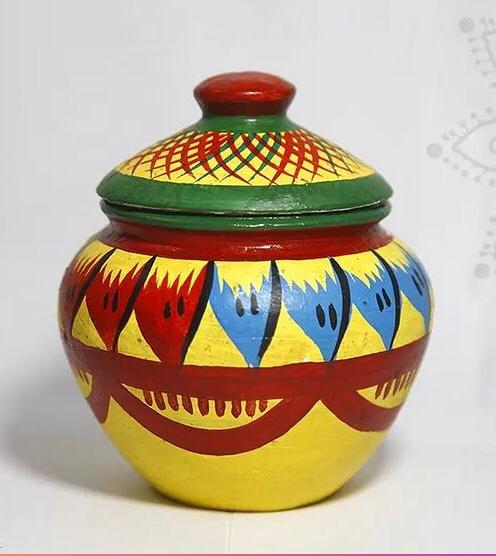
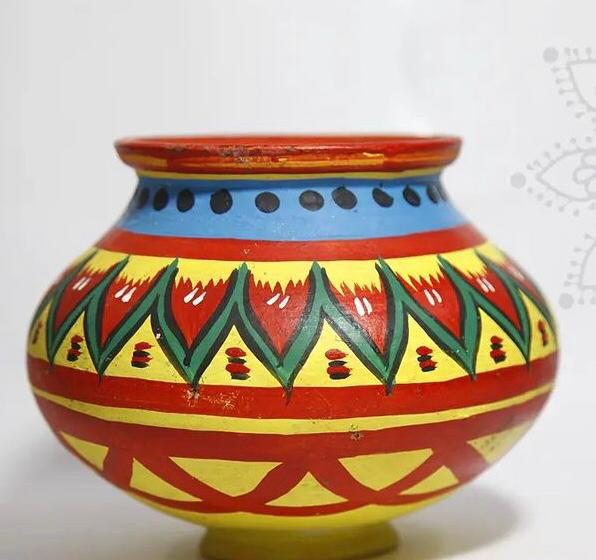
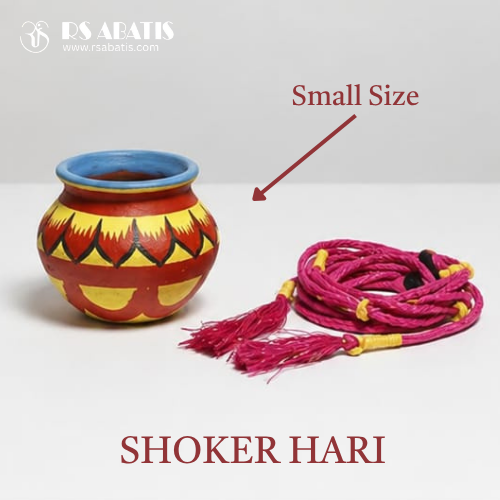
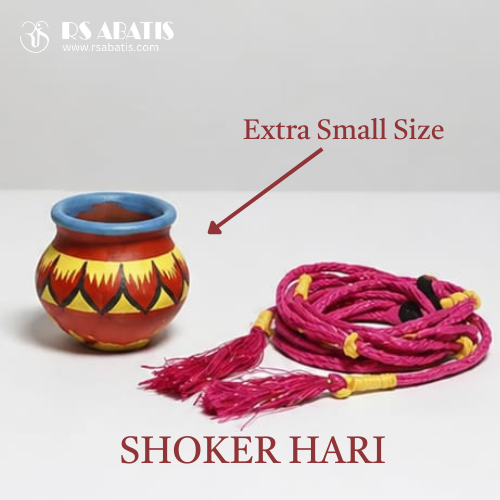
Shoker Hari (literally “Pot of Hobbies” or “Fancy Pot”) is one of the most celebrated forms of traditional folk art in Bangladesh. It is a hand-painted clay pot that serves as a vibrant symbol of Bengali heritage, particularly associated with the Rajshahi region.
Shoker Hari (literally “Pot of Hobbies” or “Fancy Pot”) is one of the most celebrated forms of traditional folk art in Bangladesh. It is a hand-painted clay pot that serves as a vibrant symbol of Bengali heritage, particularly associated with the Rajshahi region.
Key Characteristics
-
Materials: These pots are made from high-quality local clay (Mritshilpa), which is first shaped on a potter’s wheel and fired in a kiln. Once cooled, the surface is coated with a base layer of white chalk (khari mati) to prepare it for painting.
-
Artistic Style: The defining feature is its vibrant hand-painted motifs. Artists use bold, primary colors—predominantly red, yellow, and green—against the white background.
-
Motifs: The designs are deeply rooted in nature and rural life. Common patterns include:
-
Fish: Representing fertility and prosperity.
-
Birds: Symbolizing freedom and the beauty of the countryside.
-
Lotus and Creepers: Traditional floral patterns that wrap around the body of the pot.
-
Geometric lines: Usually used to border the main artwork.
-
Cultural Significance
Shoker Hari is not merely a household utensil; it is a ritualistic and social object.
-
Festivals and Melas: These pots are a staple at Baishakhi Melas (Bengali New Year fairs). Children and collectors alike seek them out for their aesthetic charm.
-
Wedding Traditions: Historically, Shoker Haris were used to send sweets and gifts to the bride or groom’s house. The beauty of the pot was considered a reflection of the sender’s taste and affection.
-
Home Decor: Today, they are highly sought-after showpieces for modern homes, bringing an “ethnic” or “folk” touch to interior design.
Historical Roots
The art of Shoker Hari has been passed down through generations of the Kumar (potter) community. While modern plastic and metal containers have replaced clay for functional use, the Shoker Hari survives as a piece of “living history.” It was even mentioned in the travelogues of early Chinese travelers like Ma-Huan in the 15th century, highlighting its long-standing presence in the region
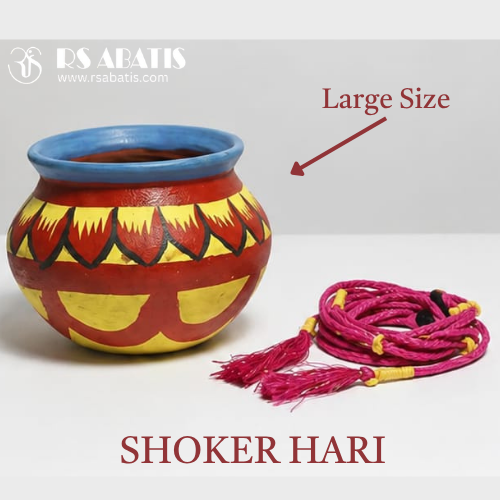
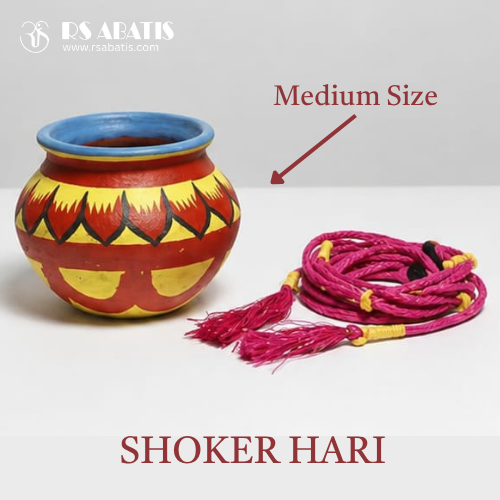
| Shoker Hari | Shoker Hari Extra Small(Per Piece), Shoker Hari Large (Per Piece), Shoker Hari Medium(Per Piece), Shoker Hari Set, Shoker Hari Small(Per Piece) |
|---|
Related products
-
Clay Jug
Clay Jug
Price range: $25.00 through $40.00 Select options This product has multiple variants. The options may be chosen on the product page



Reviews
There are no reviews yet.